
Free Resources And Information For Individuals And Businesses To Measure and Reduce Their Emissions.
Carbon Offsets Finance Verified UN Endorsed Projects That Remove Carbon From The Atmosphere.
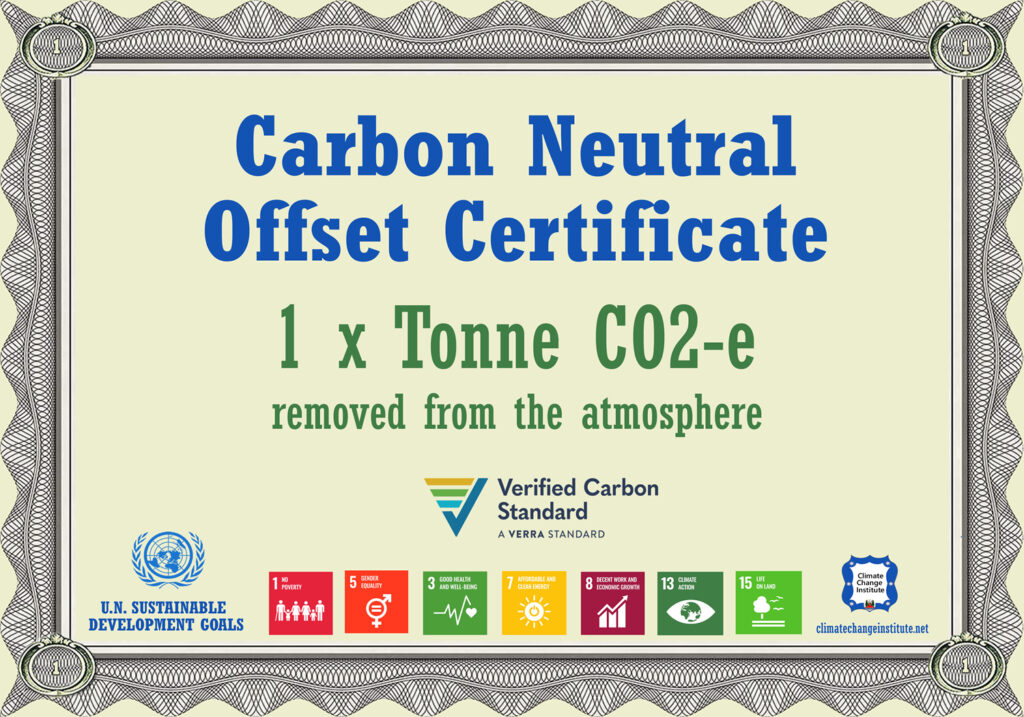
Go Carbon Neutral by Compensating for the Emissions That You Cannot Entirely Eliminate with Carbon Offset Certificates.
Carbon Credit Coin
A Transparent Climate Solution on the Binance Blockchain

The Climate Change Institute supplies verified carbon offsets to Carbon Credit Coin Corp. for CCC tokens, used for environmental utility to facilitate carbon offsetting. 🌱 We do not issue, promote, or endorse CCC tokens as financial products. 🚫 Crypto trading is risky—price volatility and security issues may lead to losses. We are not liable for activities on third-party platforms like PancakeSwap. 📜 See our Disclaimer for details.

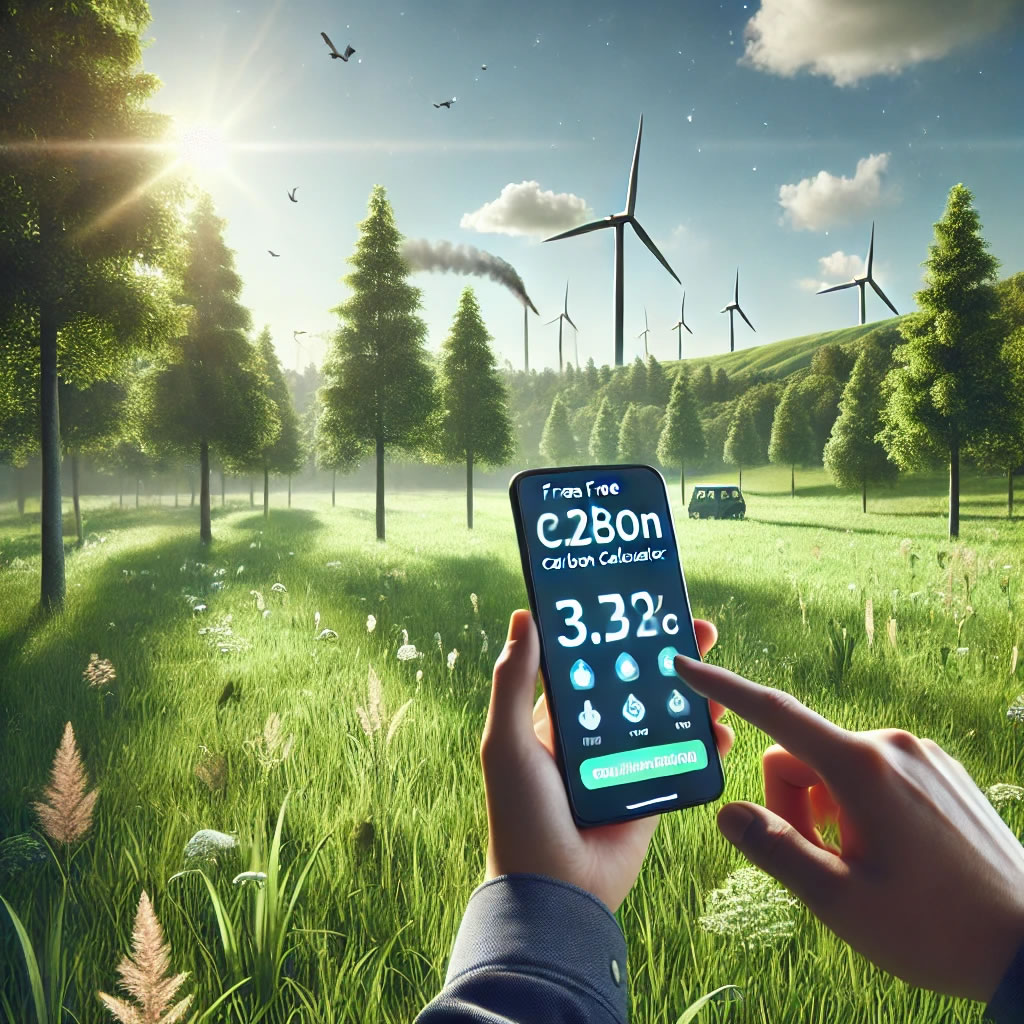
You can also utilize the EPA spreadsheets to obtain a more precise estimate of your carbon footprint.
The Emission Reduction Program for small businesses gives customisable templates which are easy to use.

Offset Certificates finance verified projects that help to slow down the rate of global warming.
Visit the Climate Change Institute Net Zero Gift Shop, where every gift purchase includes a carbon offset certificate to compensate for its carbon emissions.
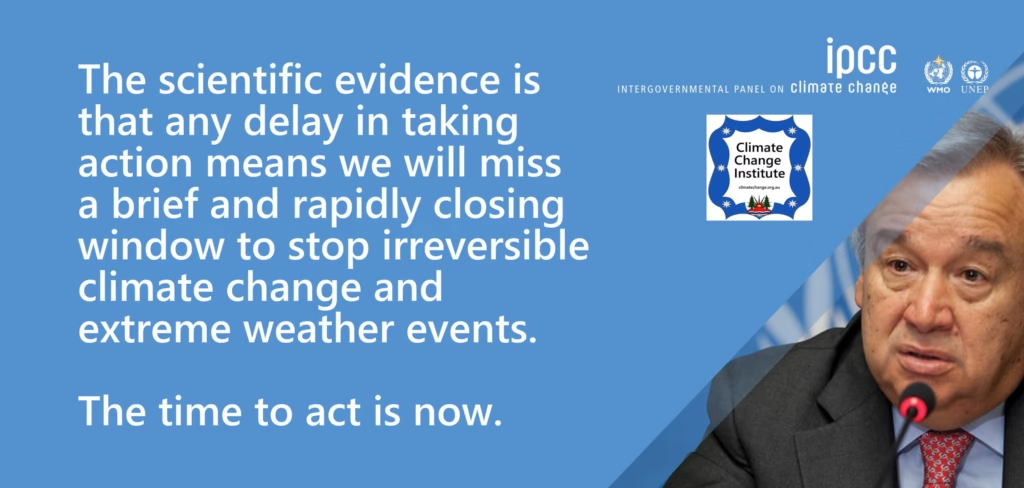
Research now shows that there is a higher risk that abrupt and irreversible changes to the climate system could be triggered at smaller global temperature increases.
This means that climate change becomes impossible to stop no matter what actions we take.
There are also indications that exceeding tipping points in one system, such as the loss of Arctic sea ice or thawing of permafrost, can increase the risk of crossing tipping points in others.
There is a significant risk that we will reach the point of no return.

Measure
We provide information and resources to help people and organisation quickly and easily measure their carbon footprint.

Reduce
Giving people and companies information on the choices they can make to reduce their emissions and lower their carbon footprint
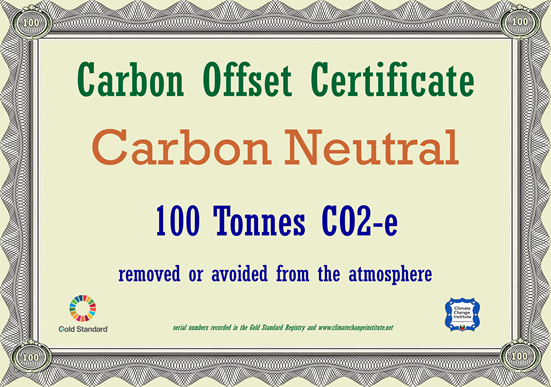
Offset
Helping people with information on the most cost- effective certified projects from different regions around the world.
The first step in becoming carbon neutral is to calculate your carbon footprint which is the amount of greenhouse gases that you, or your organisation, produces in daily life.
The next step is to reduce your emissions which for people may involve changing some consumption habits and lifestyle choices, and for companies establishing a robust emission reduction program.
The final step is to compensate for the emissions you cannot entirely eliminate with carbon offset certificates which finance certified projects that remove carbon from the atmosphere in other parts of the world.





Social Media Network
- UK looking to give carmakers incentives to turn EVs into ‘power plants on wheels’

V2G tech enables drivers to charge automatically when electricity is cheaper and then sell some back to the grid at times of high demandElectric cars that can be used as “power plants on wheels” could be given government backing as part of plans under consideration to help UK […]
- US forces accused of ‘weaponising’ Somalia’s floods by trapping women and children in the path of El Niño

Exclusive: Coordinated airstrikes on territory held by al-Shabaab are driving the civilian population to find refuge alongside a river where rising water levels are a threat to safety. Is it a deliberate military strategy?The water was rising rapidly. It had already reached Cayni Ali’s waist. Her […]
- Britain’s Be Ready campaign aims to encourage (frighten?) citizens into preparing for disaster | First Dog on the Moon

You’ll need food, water, plastic bags, spare stiff upper lips and a shovelSign up here to get an email whenever First Dog cartoons are publishedGet all your needs met at the First Dog shop if what you need is First Dog merchandise and prints Continue reading…
- Sea Level Rise is not a joke.

USNEWS.COM
- Corte Internacional de Justicia impone responsabilidad jurídica a países que no tomen medidas para frenar el cambio climático 2025/08/24

https://ecosentido.wordpress.com/2025/08/24/corte-internacional-de-justicia-impone-responsabilidad-juridica-a-paises-que-no-tomen-medidas-para-frenar-el-cambio-climatico/ La Corte Internacional de Justicia emitió la Opinión Consultiva OC-32-2025, que reconoce el cambio climático como un riesgo […]
- Q&A: Tech Billionaires’ AI Space Empire Fantasies Are ‘An Insidious Form of Climate Denial’
“Science journalist Adam Becker speaks with DeSmog about how Silicon Valley tech billionaires have invented new forms of greenwashing and climate denial in their quest for ever-more fantastic technology. […]

- Climate Risk Meets Retail: Inside Princess Polly’s SoHo Flagship

This M.A. in Climate and Society capstone team worked closely with Princess Polly to assess climate risks and identify opportunities to strengthen its sustainability and resilience.
- How a Massive Ancient Ice Shelf Stabilized Glaciers—and What It Means for Antarctica

New research could lead to more accurate predictions about how quickly Antarctic glaciers might retreat and raise sea levels.
- Beyond Net-Zero Targets: Lisa Sachs on Designing Systems for Decarbonization

Sachs, director of Columbia’s Center on Sustainable Investment, argues that durable climate progress begins with systems diagnosis, not isolated technologies, targets or promises.
What is Climate Change?
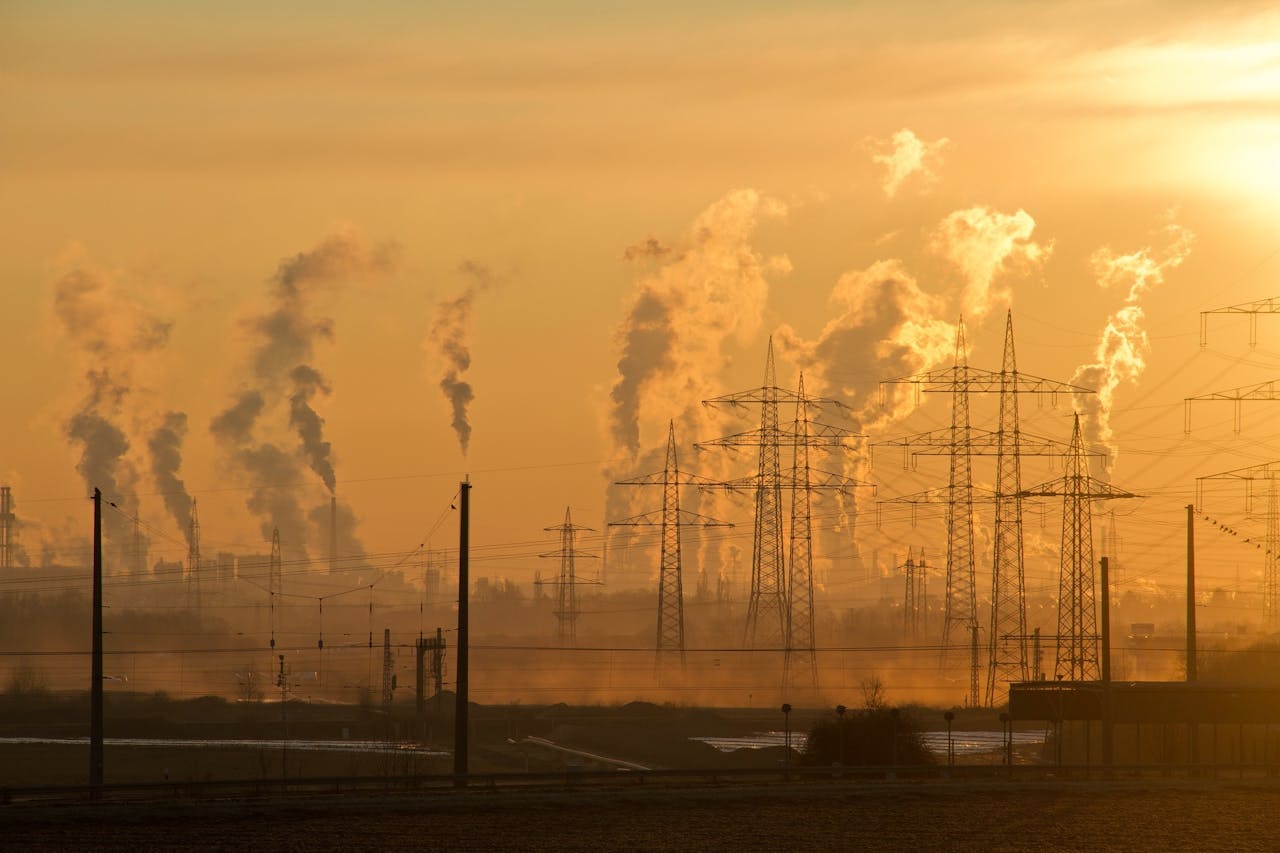
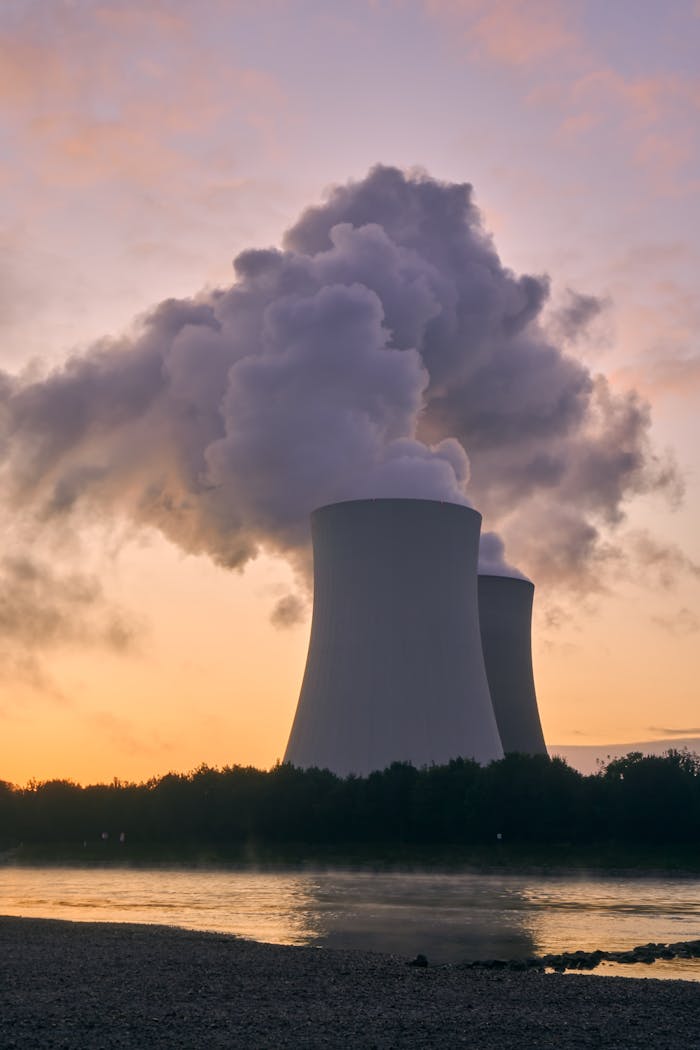
Climate change is one of the most pressing issues facing our planet today. It refers to significant changes in global temperatures and weather patterns over time. While climate change is a natural phenomenon, scientific evidence shows that human activities are currently driving an unprecedented rate of change. The primary cause of recent climate change is the increase in greenhouse gases in the atmosphere due to human activities. Key contributors include:
- Burning of Fossil Fuels: Coal, oil, and natural gas combustion for energy and transportation releases large quantities of carbon dioxide (CO2) and other greenhouse gases.
- Deforestation: Trees absorb CO2, and cutting them down reduces the Earth’s capacity to sequester carbon.
- Agricultural Practices: Methane emissions from livestock and rice paddies, along with nitrous oxide from fertilizers, contribute to the greenhouse effect.
- Industrial Processes: Certain industrial activities release various greenhouse gases, including CO2, methane, and fluorinated gases.
Effects of Climate Change
The impacts of climate change are widespread and varied, affecting ecosystems, weather patterns, sea levels, and human societies. Key effects include:
- Rising Temperatures: Global temperatures have been steadily increasing, leading to more frequent and severe heatwaves.
- Melting Ice and Rising Sea Levels: Polar ice caps and glaciers are melting, contributing to rising sea levels, which threaten coastal communities.
- Extreme Weather Events: Increased frequency and intensity of hurricanes, droughts, floods, and other extreme weather events.
- Biodiversity Loss: Many species are struggling to adapt to changing conditions, leading to shifts in ecosystems and potential extinctions.
- Human Health Risks: Increased heat can lead to heat-related illnesses, while changing weather patterns can affect food and water supply, leading to malnutrition and waterborne diseases.
Mitigation and Adaptation Strategies
Addressing climate change requires both mitigation and adaptation strategies. Efforts to reduce or prevent the emission of greenhouse gases include:
- Transitioning to renewable energy sources like solar, wind, and hydroelectric power.
- Enhancing energy efficiency in buildings, transportation, and industries.
- Promoting reforestation and sustainable land use practices.
- Developing resilient infrastructure to withstand extreme weather.
- Implementing water management practices to cope with variable water supplies.
- Protecting and restoring natural ecosystems to enhance their resilience.
Climate change is a complex and multifaceted issue that requires global cooperation and immediate action.
By understanding its causes, effects, and the strategies available to address it, we can work towards a sustainable future for our planet.
It is imperative for governments, businesses, and individuals to take proactive steps to mitigate climate change and adapt to its inevitable impacts.